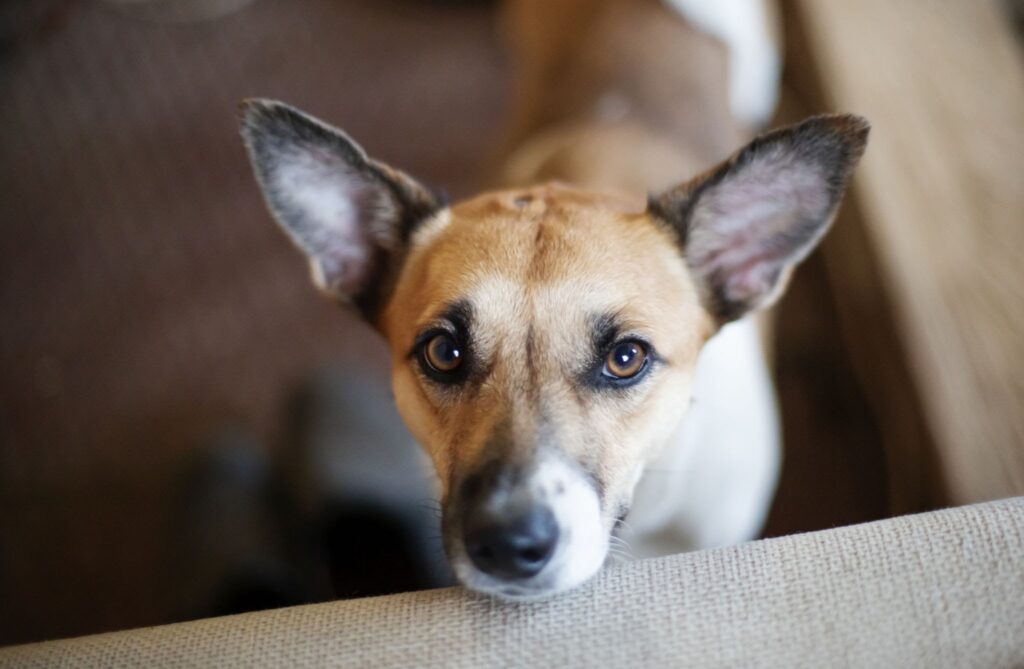
We like to think we know our pets inside and out. You fill their food bowl, toss a squeaky toy across the living room, rub behind their ears, and assume their entire universe revolves around kibble and belly rubs.
Science says something totally different.
Recent breakthroughs in animal cognition, neuroimaging, and behavioral biology reveal that the furry companion sleeping at the foot of your bed has a far richer, sharper, and more strategic inner life than most owners ever realize. When you grab your keys and walk out the front door, they aren’t just staring blankly at the wall—they are actively processing time, reading your emotional residue, and running complex mental routines.
If you don’t know these hidden pet secrets, you are missing out on the real language your pet speaks every single day.
1. What Your Pet Is Actually Doing While You’re Away
Ever wondered how your dog seems to know you are coming home five minutes before your car even turns onto the street? It isn’t psychic intuition—it’s olfactory timekeeping.
They “Smell” the Passage of Time
Humans measure time with clocks; dogs measure time through the decay of scent molecules.
- The moment you leave the house, your scent is at peak concentration in the air.
- Hour by hour, that scent dissipates at a predictable rate.
- Dogs learn to associate a specific, faint threshold of your lingering scent with the exact moment the front door opens.
The “Separation Vigil” vs. Secret Exploration
Hidden home-camera studies show that pets fall into distinct behavioral patterns the minute the door clicks shut:
- The Scent-Nesting Ritual: Both cats and dogs frequently seek out worn laundry, pillows, or shoes carrying your strongest pheromones. They aren’t being destructive—they are self-soothing by surrounding themselves with your chemical signature.
- Territory Patrols: Cats treat an empty house like an unguarded kingdom. Without human footsteps disrupting their acoustics, they conduct high-elevation perimeter checks, tracking sunbeams and listening to ultrasonic vibrations inside your walls.
2. The “3-Second Rule” of Pet Communication
Most owners misread their pet’s most obvious signals because they react too late or look at the wrong body part. Behavioral scientists point to micro-signals lasting under three seconds that reveal what your pet is truly thinking:
- The Slow-Blink Truce (Cats): When a cat locks eyes with you, narrows its eyelids, and slowly closes them for two to three seconds, it is lowering its primary defense mechanism (vision) in your presence. Returning that slow blink is the feline equivalent of saying, “I trust you completely.”
- The Left-vs-Right Tail Asymmetry (Dogs): A wagging tail does not automatically mean a happy dog. Neurobiology research shows that a tail wag biased slightly to the right signals positive excitement and approachability, whereas a wag biased to the left indicates caution, stress, or uncertainty.
- The “Whale Eye” Warning: If a dog freezes for two seconds and turns its head away while keeping its eyes locked on you—exposing the white crescents (sclera) of its eyes—it is feeling overwhelmed and asking for space before escalating to a growl.
3. Five Mistakes Almost Every Pet Owner Makes
Even the most devoted pet parents accidentally trigger confusion or low-grade stress by treating animals like small humans.
| Common Human Habit | Why It Confuses Your Pet | What Science Recommends Instead |
| Scolding a mess hours later | Pets lack episodic guilt; “guilty looks” are actually submissive fear responses to your angry posture. | Redirect behavior within 3 seconds of the act, or clean up calmly without yelling. |
| Hugging tightly around the neck | In canine body language, wrapping limbs over a shoulder is a dominance or restraint signal. | Offer chest scratches, chin rubs, or lean gently side-by-side. |
| Free-feeding an overflowing bowl | Removes the natural hunt-work-reward cycle, leading to boredom and anxiety. | Use puzzle feeders, snuffle mats, or scatter feeding to engage their brain. |
| Talking in long, lecturing sentences | Pets filter out filler words and track only key nouns paired with emotional pitch. | Use crisp, consistent 1–2 word cues paired with clear hand signals. |
| Rushing walks without sniff breaks | Walking purely for distance deprives dogs of their primary way of reading the world. | Dedicate at least 15 minutes per walk to a “sniffari” where your dog chooses the pace. |
4. They Catch Your Stress—Literally
MRI and cortisol studies have confirmed that pets don’t just notice when you’re having a bad day; they synchronize with your nervous system.
- Sweat & Breath Chemosignals: When you feel anxious, angry, or sad, your body releases distinct volatile organic compounds through your sweat and breath. Dogs can detect these microscopic chemical shifts in seconds, causing their own heart rates to mirror yours.
- Emotional Contagion: Long-term studies tracking hair cortisol levels in owners and their dogs found that chronic human stress directly elevates long-term stress hormones in their pets—even when the pet’s daily routine hasn’t changed at all.
5. Your Pet Actually Dreams About You
Have you ever watched your dog’s paws twitch or heard your cat let out tiny, muffled chirps during deep sleep?
Neuroscientists studying brain-wave patterns in sleeping mammals discovered that cats and dogs experience REM (Rapid Eye Movement) sleep just like humans. During this phase, the hippocampus replays memories from the day—meaning your pet is actively dreaming about chasing toys, exploring the park, and interacting with their favorite person: you.
How to Upgrade Your Bond Starting Today
You don’t need expensive gadgets to become the ultimate pet parent—just a shift in how you observe and interact:
- Trade 10 Minutes of Scrolling for “Brain Games”: Hide treats inside a rolled-up towel or cardboard box. Mental fatigue tires pets out twice as fast as physical running.
- Respect Consent Signals: Pause petting after three seconds. If your pet leans in or nudges your hand, keep going; if they turn away or lick their lips, give them breathing room.
- Master the Greeting Ritual: When you walk through the door, take ten seconds to breathe calmly before greeting them. A calm arrival teaches your pet that departures and returns are safe, normal events rather than high-anxiety emergencies.